


Our resident sustainable food hero, Miranda, is back with another brilliant set of kitchen rescues! This week, she’s tackling everything from giant bags of salted peanuts to leaking trays of surplus strawberries – and proving that a little bit of processing can turn unsightly”produce into luxury treats.
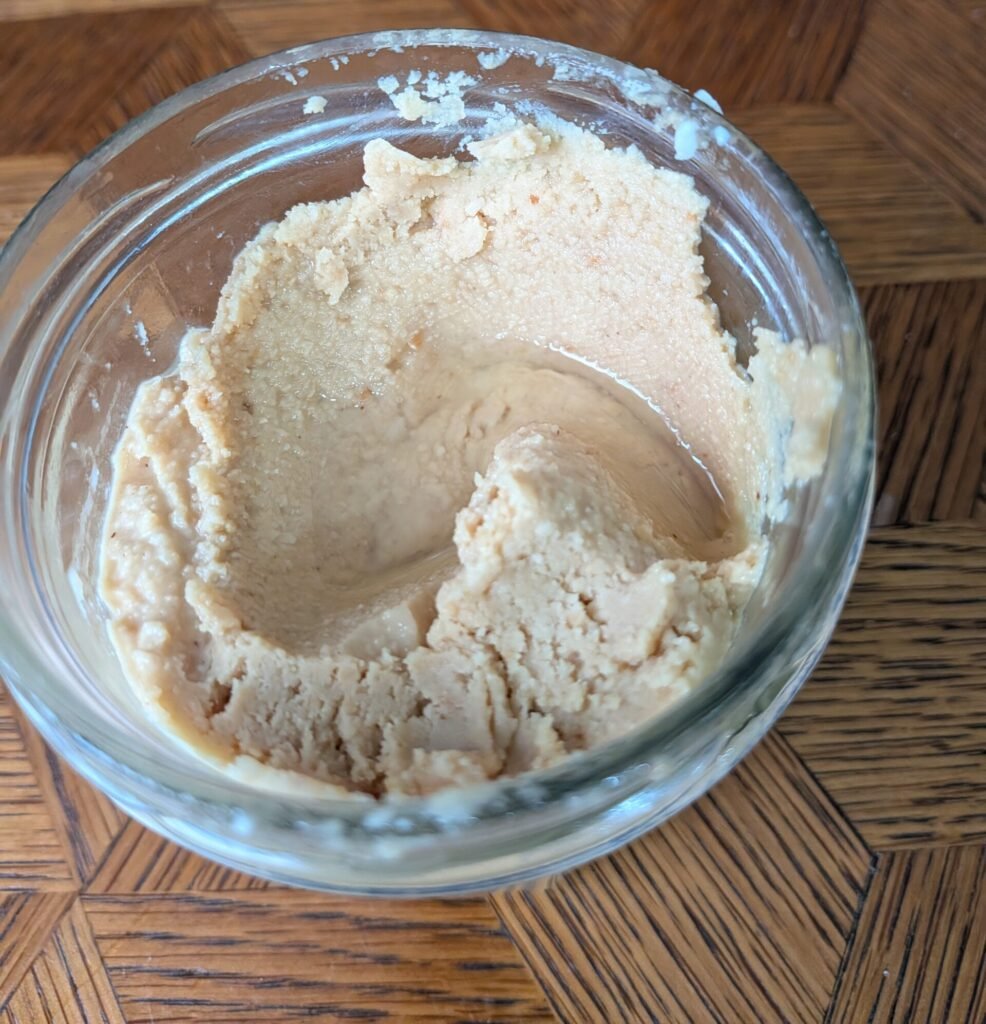
1-Ingredient Homemade Peanut Butter
When Miranda picked up an XXL bag of salted peanuts, she knew she wouldn’t eat them as a snack. Her solution? Turning them into smooth, additive-free peanut butter!
The method
Rinse off the salt under cold water and dry the nuts thoroughly on a tea towel. Pop them into a food processor and let it run.
The stages
Don’t panic when it looks like chopped nuts, then ground nuts! Keep the processor running; the natural oils will release and it will bind into a smooth, creamy butter.
How to use it
Perfect for spreading on toast, making peanut butter truffles, or swirling into an African sweet potato stew.
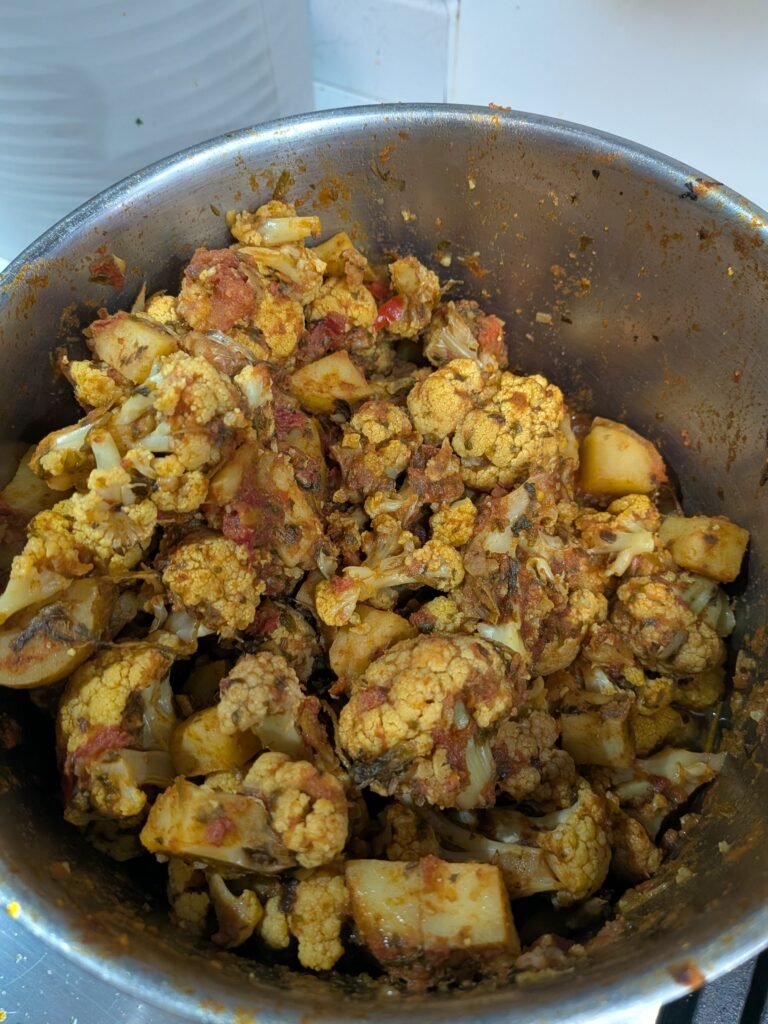
Aloo Gobi
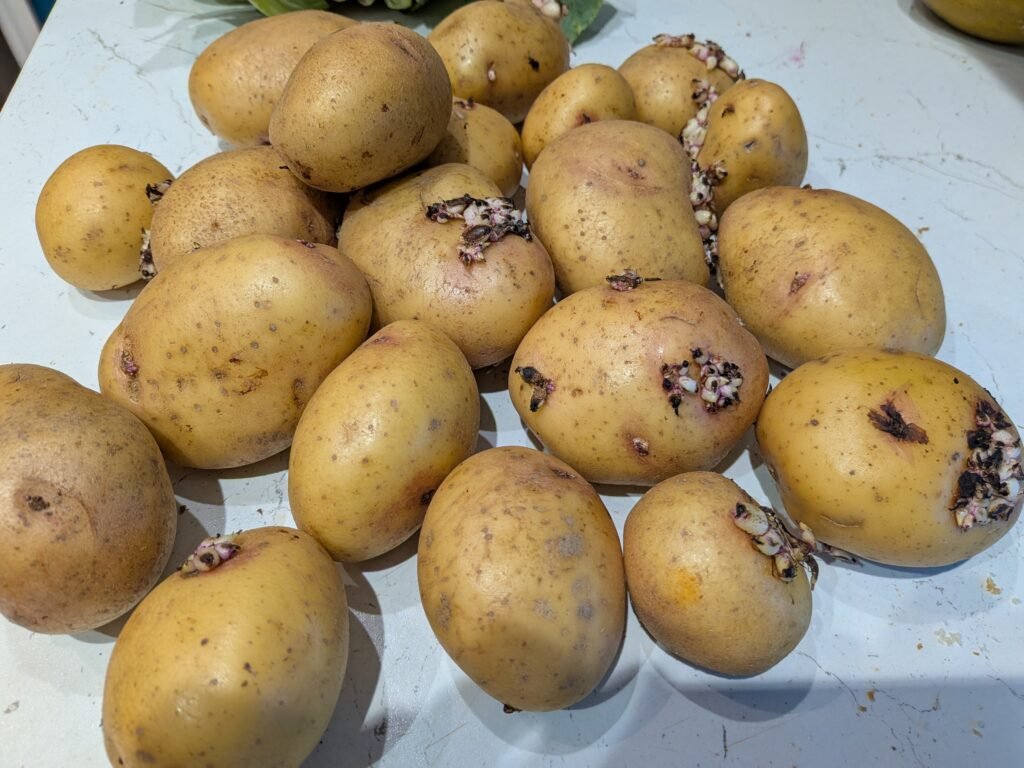
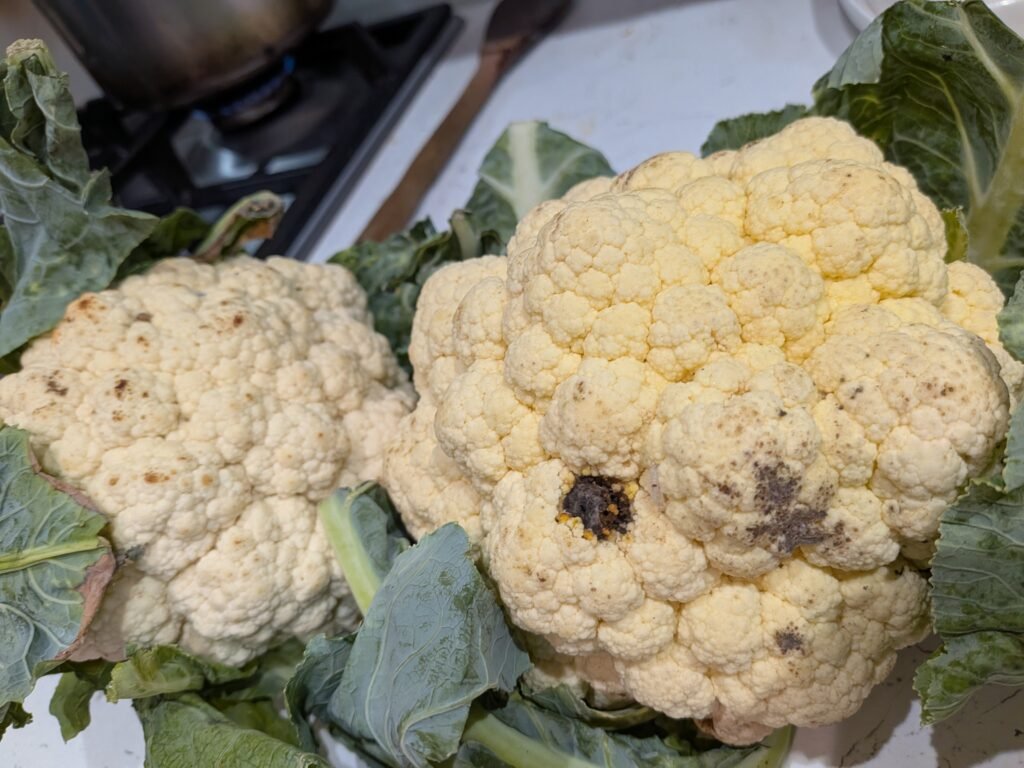
Potato and cauliflower are warehouse staples, but many people pass them by if the edges look a bit brown or bruised. Miranda took a set from the free section to prove a point:
After chopping the ‘bad’ bits off, you can see how little is actually waste and how much is completely fine. People risk throwing the majority of a vegetable away just because the edges don’t look perfect!
Once trimmed, she transformed the rescued potatoes and cauliflower into a fragrant, comforting Aloo Gobi curry.
The “Freestyle” Panzanella Salad
Peppers, tomatoes, and herbs are frequently in abundance at Food Works. Miranda used her surplus roasted peppers, cherry tomatoes, olives, garlic, and frozen basil to make an Italian-style Panzanella.
Traditional Panzanella features stale bread soaked in the dressing juices (a fantastic hack if you have a mountain of surplus bread!). However, Miranda prefers to leave the bread out and toss in some creamy feta cheese instead, dressed with balsamic vinegar and olive oil. Yum!
4 Ways to Rescue Strawberries
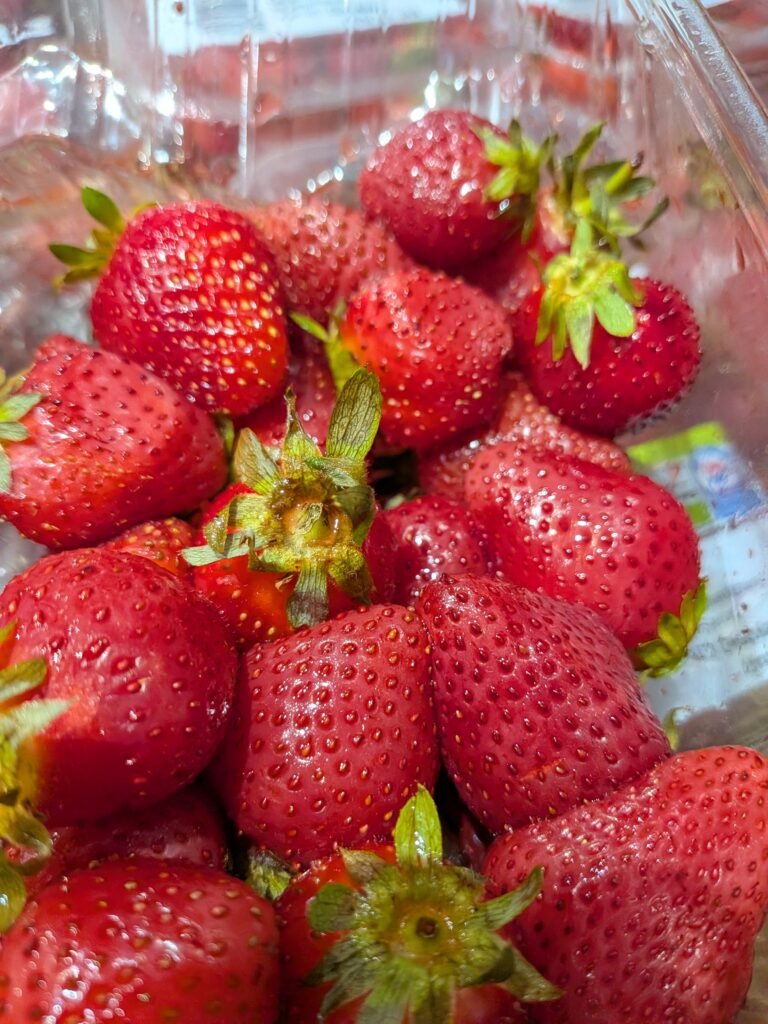
Miranda rescued an entire tray of mushy, leaking strawberries right before closing time. None were mouldy, so she turned them into four distinct treats:
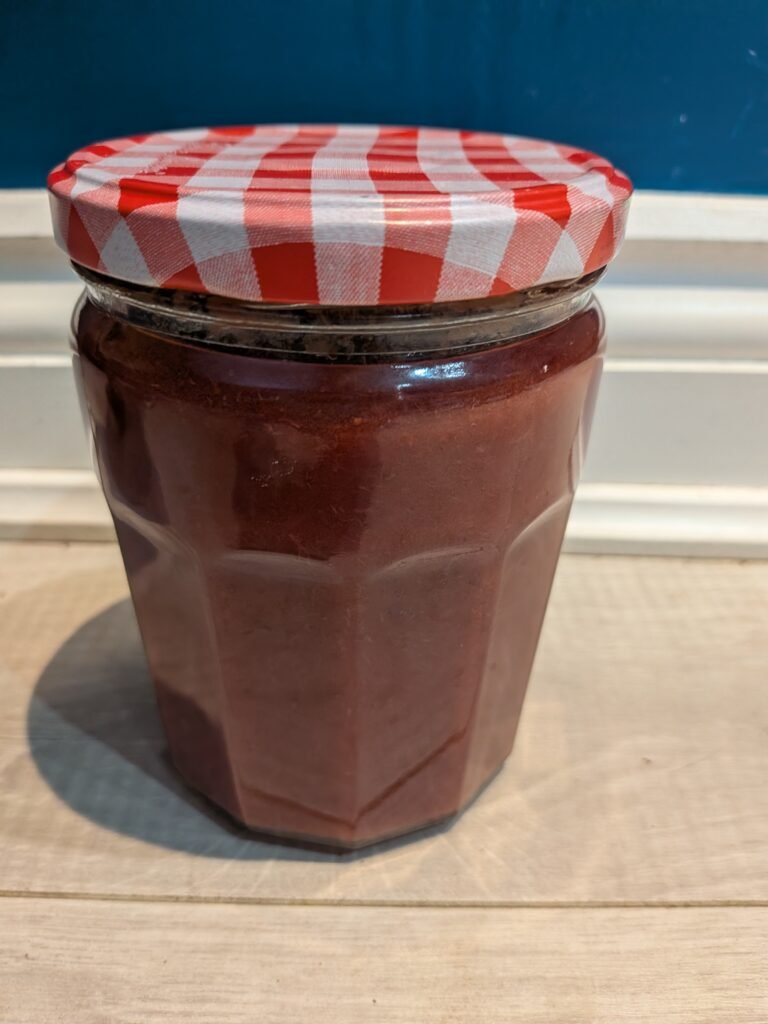
Classic strawberry jam for the pantry.
Strawberry compote (blended into a smooth fruit sauce) for topping yoghurt, pancakes, or ice cream.
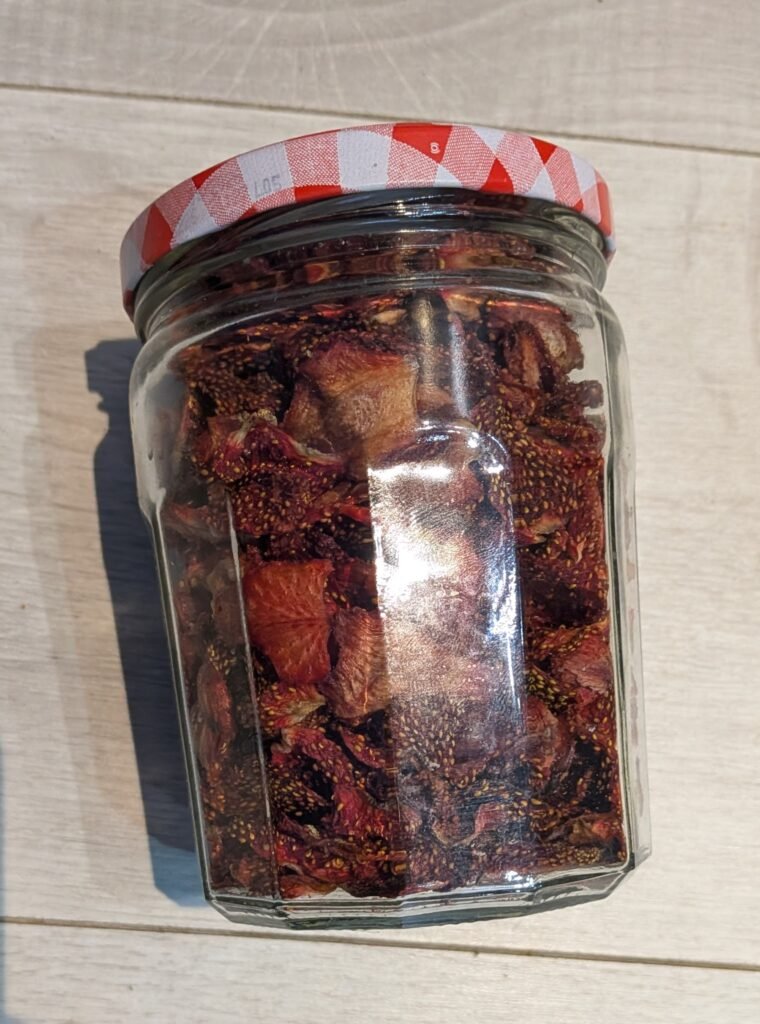
Dehydrated strawberries for a crunchy snack or baking sprinkle.
Homemade strawberry liqueur (recipe below!).
Recipe: 6-Day Strawberry Liqueur
250g strawberries
150g sugar (you can reduce this to 75g-100g if you prefer a sharper drink with a bigger kick!)
250ml vodka or gin
Mix everything in a large jug or jar and stir until the sugar dissolves. Give it a swirl whenever you pass by in the kitchen. It’s ready to drink in just 6 days!
(Note: This technique works with any fruit – soft fruits infuse in a week, while harder fruits like apples or plums just need a little longer).
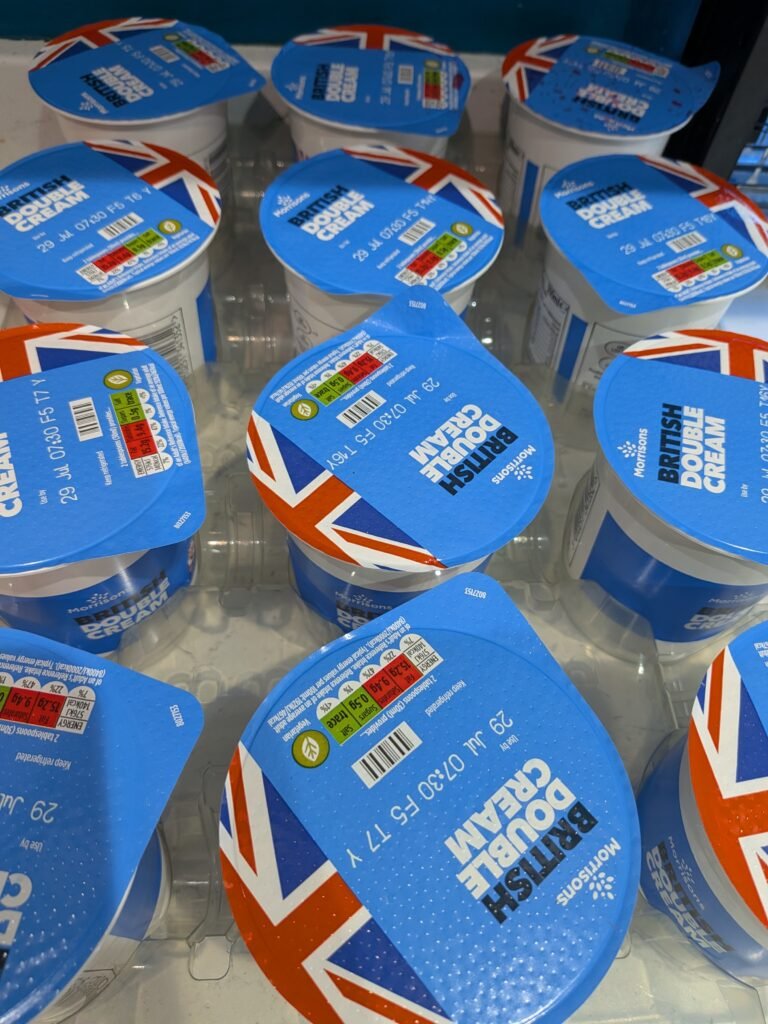
Fresh Butter & Buttermilk from Surplus Cream
When there’s an abundance of cream, making fresh butter is quick, easy, and saves a lot of money!
The method
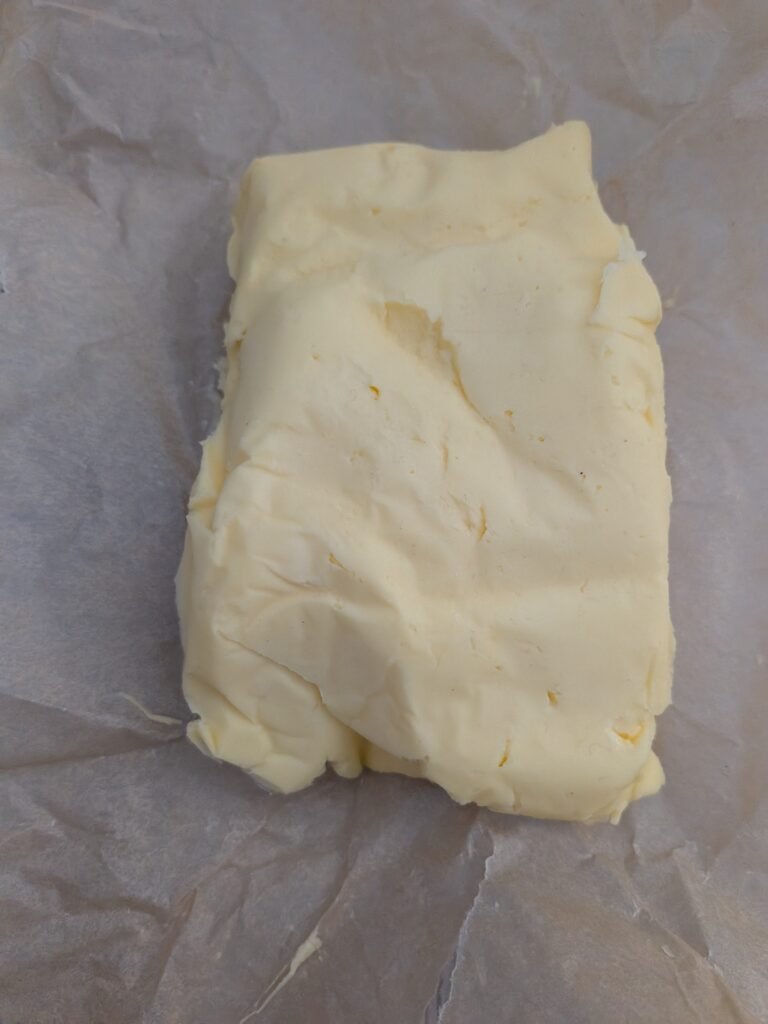
Whisk unopened cream until it separates into solid butter and liquid buttermilk. Electric beaters or a stand mixer make this effortless!
Strain off the buttermilk, then squeeze the butter while rinsing it under cold running water. Removing as much buttermilk as possible prevents it from spoiling quickly.
Add ¼ tsp salt per 125g for salted butter. Wrap extra portions in greaseproof paper and freeze!
Save the leftover buttermilk to use in pancake batter, pizza dough, or soups.
Bonus Sweet Treat: Chocolate & Peanut Butter Truffles
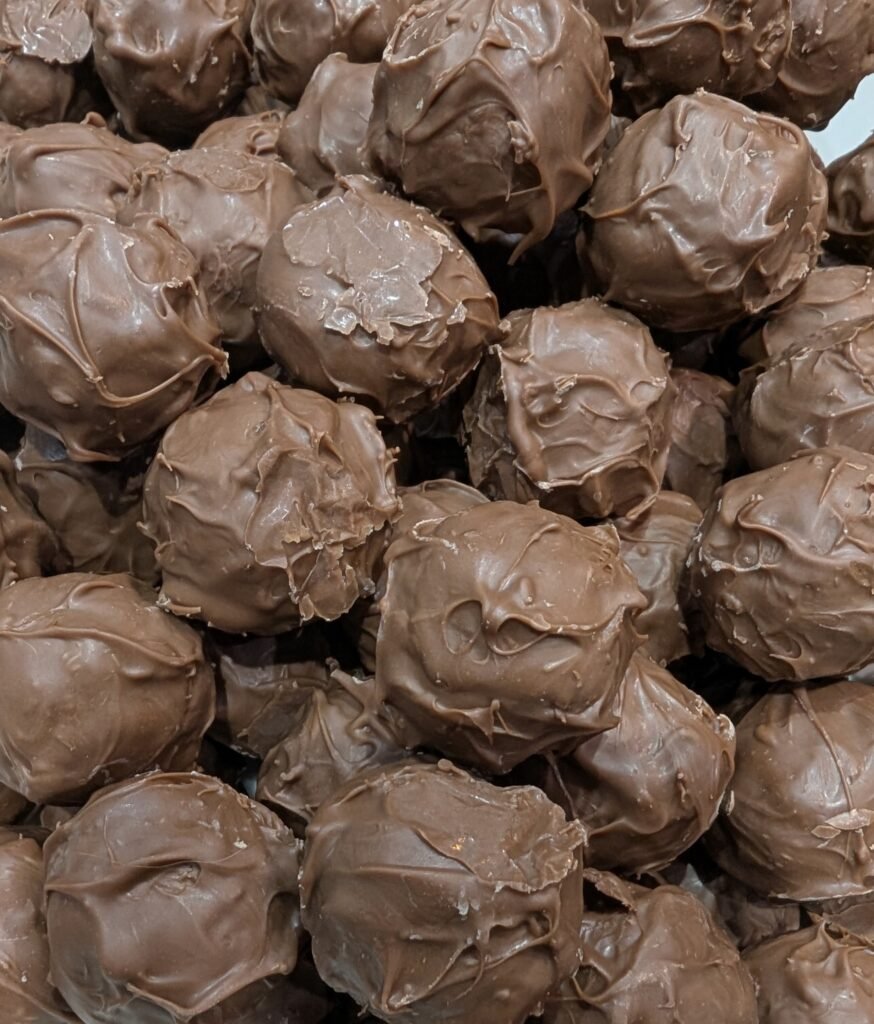
Got extra cream and fresh peanut butter? Heat cream and pour it over chocolate to create a rich chocolate ganache, then roll it with your homemade peanut butter to make decadent homemade truffles!
Are you a sustainable food hero too?
We love seeing the ingenious ways our community uses their Food Works finds. Whether it’s a family-favourite recipe or a clever rescue hack, why not share your creations with us?
Your tips could be the inspiration someone else needs to try something new!
Send your ideas and photos to sarah@thefoodworks.org